
What is endometrial receptivity (ERA), and why does timing matter?
Even a perfect embryo needs the right moment to implant. A plain-language guide to endometrial receptivity, the implantation window, and how AI aims to make timing less invasive.
Dr. G. Buvaneswari
Strategic Clinical Advisor
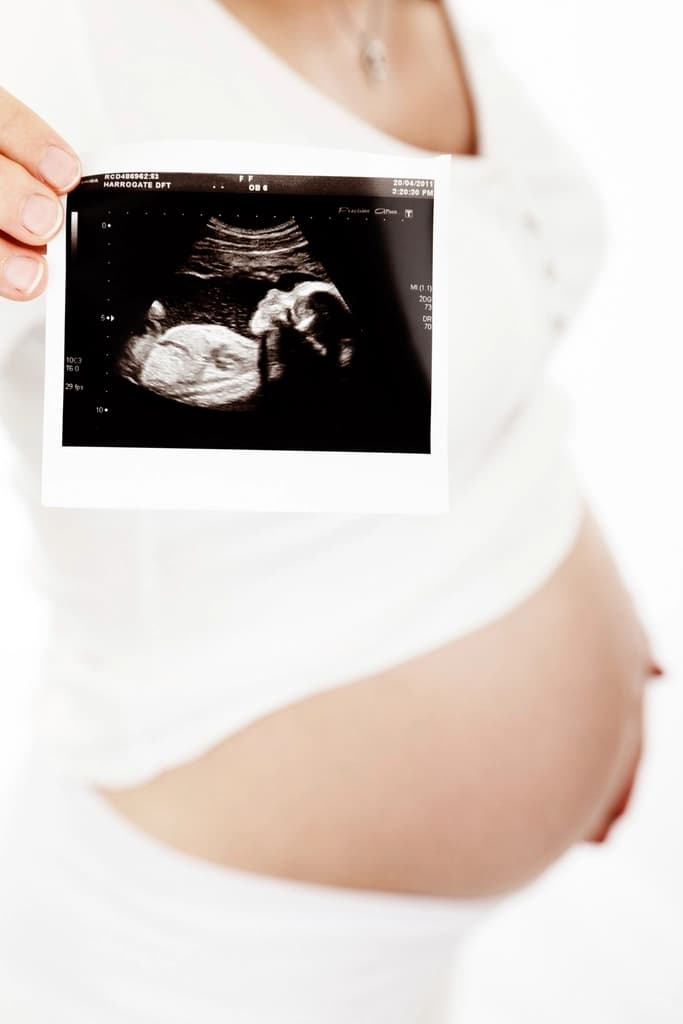
In IVF, a great deal of attention goes to the embryo — and rightly so. But an embryo can only implant if it is transferred when the uterus is ready to receive it. That short, specific stretch of time is called the window of implantation, and understanding it is what endometrial receptivity is all about.
The window of implantation
The lining of the uterus (the endometrium) changes across the menstrual cycle. For a few days, it becomes receptive — biologically prepared for an embryo to attach and implant. Transfer too early or too late, and even a high-quality embryo may fail to implant.
For most patients this window is well-timed, but for some it is displaced — shifted earlier or later than the standard protocol assumes. Repeated implantation failure despite good embryos is often a sign that timing, not embryo quality, is the missing piece.
How receptivity is assessed today
Endometrial Receptivity Analysis (ERA) traditionally involves an endometrial biopsy — a small tissue sample analysed for the expression of receptivity-related genes to pinpoint the personal window. It works, but it is:
- Invasive — it requires a biopsy procedure.
- Costly and time-consuming — often adding a dedicated cycle.
- A barrier — enough that many patients who could benefit never have it done.
A less invasive direction
Garbha ERA is being built to estimate endometrial receptivity from standard ultrasound imagery using AI — a non-invasive alternative to surgical biopsy. The goal is to make personalised transfer timing:
- Accessible — using imaging clinics already perform.
- Lower-risk and lower-cost — reducing reliance on biopsy.
- Actionable — helping clinicians choose the optimal transfer day for each patient.
Garbha ERA is currently in build; EmbryoScore is the module in clinical use today.
Why it matters for outcomes
Personalising the transfer window means fewer cancelled or failed transfers for patients whose window is displaced — and less emotional and financial strain from repeating cycles. Precision on timing complements precision on embryo selection: together they give each transfer the best possible chance.
Further reading
Curious how AI supports every step of the IVF cycle? Explore our solutions or talk to our team.
Related articles

How AI helps select sperm for ICSI — and what the evidence actually says
AI can measure how each sperm moves during ICSI. Here is what randomised trials and Cochrane reviews say about sperm selection methods so far.

How consistent is embryo grading? What the research actually shows
Ten senior embryologists, 100 IVF cases, one question: which embryo to transfer? They fully agreed in half. Here is what the evidence says about grading variability.

AI embryo grading explained: from Day 1 to the Day-5 blastocyst
How AI reads an embryo's development day by day — morphokinetics, fragmentation and the blastocyst — to bring objectivity and consistency to embryo selection in IVF.
Book a demo
See Garbha.ai in your clinic
Book a personalised demo of our AI-powered IVF solutions.